
glass wall for bathroom
Replacing the Pressure Valve on Your Water Heater Water heaters play a crucial role in our daily lives, providing us with the hot water we need for showers, cooking, and cleaning. However, like any appliance, they can encounter problems over time. One common issue is a malfunctioning pressure relief valve, which is essential for preventing excess pressure buildup within the heater. In this article, we will discuss how to identify the need for a replacement and the steps involved in replacing the pressure valve on your water heater. Understanding the Pressure Relief Valve The pressure relief valve is a safety device designed to release excess pressure from the water heater. Under normal operating conditions, it allows steam or water to escape if the pressure exceeds a predetermined level, thus preventing possible explosions or damage to the unit. Typical indicators of a malfunctioning pressure relief valve include water leaking from the valve or a hissing sound coming from the heater. Signs You Need to Replace Your Pressure Relief Valve 1. Visible Water Leakage If you notice water pooling around the valve or drips coming from it, this could indicate that the valve has failed and needs replacement. 2. Excessive Pressure Release A valve that frequently releases water, even when the heater is not under heavy use, can signify that it is no longer functioning correctly. 3. Old Age If your water heater is more than 5-10 years old, it’s a good idea to inspect the pressure valve, as it may have reached the end of its life cycle. 4. Discoloration or Corrosion If you see rust or corrosion on the valve, it might be time to replace it to prevent further complications. Steps to Replace the Pressure Relief Valve replacing pressure valve on water heater Tools and Materials Needed - Adjustable wrench - Teflon tape - Bucket or towel for spills - New pressure relief valve (ensure it matches the specifications of your existing one) Step 1 Turn Off the Water Heater Before starting any maintenance, make sure to turn off the power supply to the water heater. If it’s an electric water heater, unplug it or switch off the circuit breaker. For gas heaters, turn the thermostat to the ‘vacation’ or ‘off’ setting. Step 2 Shut Off the Cold Water Supply Locate the cold water supply valve at the top of the water heater and turn it off. This will prevent new water from entering the tank. Step 3 Drain the Tank Using a bucket or hose, drain a small amount of water from the tank to reduce pressure. There should be a drain valve at the bottom of the heater. Open it and let water flow until the pressure is adequately relieved. Step 4 Remove the Old Valve Using your adjustable wrench, carefully unscrew the old pressure relief valve from its housing. Be cautious to avoid damaging the threads. Step 5 Install the New Valve Apply Teflon tape to the threads of the new pressure relief valve to ensure a proper seal. Screw it into place, making sure it is tight but not overtightened, as that could cause damage. Step 6 Restore Water Supply and Power Turn the cold water supply back on and allow the tank to fill. Once it’s full, check for leaks around the new valve. If there are no leaks, you can restore power to the heater. Step 7 Test the Valve After everything is back in position, test the new pressure relief valve by lifting the lever. You should hear a hissing sound as water is released, indicating it’s functioning properly. Conclusion Replacing the pressure relief valve on your water heater is a manageable task that can enhance the safety and efficiency of your appliance. By being attentive to signs of malfunction and following the steps outlined above, you can ensure that your water heater continues to operate safely for years to come. If you feel uncomfortable performing this task yourself, don’t hesitate to call a professional plumber. Your safety is paramount!
about
glass wall for bathroom
The Price Dynamics of Optical Micrometers An In-Depth Analysis In the realm of precision measurement, optical micrometers hold a significant position due to their ability to provide highly accurate measurements of small dimensions. These instruments are critical in various industries, including manufacturing, quality control, and scientific research. The price of optical micrometers can vary widely based on several factors, including technology, brand reputation, functionality, and features. This article seeks to explore the various elements influencing the price of optical micrometers and how they are positioned in the market. Understanding Optical Micrometers Optical micrometers function by utilizing light—usually from a laser or LED source—to measure small distances with incredible accuracy. Unlike traditional mechanical micrometers, which may be limited by physical contact and friction, optical micrometers can measure without contact, minimizing the risk of damage to delicate components. This attribute makes them particularly favorable in applications involving fragile materials or sensitive surfaces. Factors Influencing the Price of Optical Micrometers 1. Technology The core technology behind the optical micrometer plays a significant role in determining its price. Advanced optical technologies, such as interferometry, can produce higher accuracy and resolutions, which typically results in a higher price point. Basic models with less sophisticated technology may be more affordable, but they often sacrifice precision. 2. Brand Reputation Renowned brands in the field of optics and measurement devices tend to command higher prices due to their established reputation for quality and reliability. Companies with decades of experience and proven track records can justify their premium pricing, as users often expect better customer support and longer-lasting products. 3. Features and Functionality The range of features available on optical micrometers also contributes to price variations. Basic models may only measure dimensions, while advanced micrometers could include data logging capabilities, integration with computers, user-friendly interfaces, and wireless connectivity. The more sophisticated the features, the higher the potential price. optical micrometer price 4. Calibration and Certification Optical micrometers often require calibration to ensure accurate measurements. Some manufacturers include calibration and certification services as part of the purchase, which can add to the overall price. Instruments that meet stringent industry standards may also be priced higher due to the credibility they carry. 5. Market Demand and Economic Conditions Like any other product, the price of optical micrometers can fluctuate based on market demand and economic conditions. In periods of increased manufacturing activity, there might be higher demand for measurement devices, pushing prices up. Conversely, an economic downturn could lead to decreased demand and lower prices. Current Market Trends As of now, the market for optical micrometers is witnessing a gradual shift towards more advanced and automated solutions. Many businesses are investing in high-tech micrometers that integrate seamlessly with manufacturing processes and digital platforms. Consequently, while traditional mechanical micrometers remain in use, optical micrometers are increasingly favored for their versatility and precision. The average price range for standard optical micrometers varies from around $500 for basic models to over $10,000 for advanced systems equipped with the latest technology and accessories. High-end optical micrometers aimed at professional and industrial use can exceed this range, especially if customized or tailored to specific applications. Conclusion The price of optical micrometers is influenced by numerous factors ranging from technology and brand reputation to features and market trends. As industries continue to prioritize precision and efficiency, the demand for high-quality optical micrometers is expected to grow, potentially pushing prices higher. For businesses and individuals seeking to purchase an optical micrometer, it is essential to consider the required specifications and functionalities to ensure that the investment aligns well with their measurement needs while offering the best value for money. Investing in the right optical micrometer can lead to enhanced productivity, improved product quality, and significant long-term savings. Understanding the price landscape will enable buyers to make informed decisions in this crucial area of precision measurement.
-

High quality industrial productsagement

High quality industrial products
View Details -

Meet the diverse needs of customers

Meet the diverse needs of customers
View Details -

Strict quality control

Strict quality control
View Details -

Top raw materials

Top raw materials
View Details -

Trusted supplier

Trusted supplier
View Details
Our application


news and information
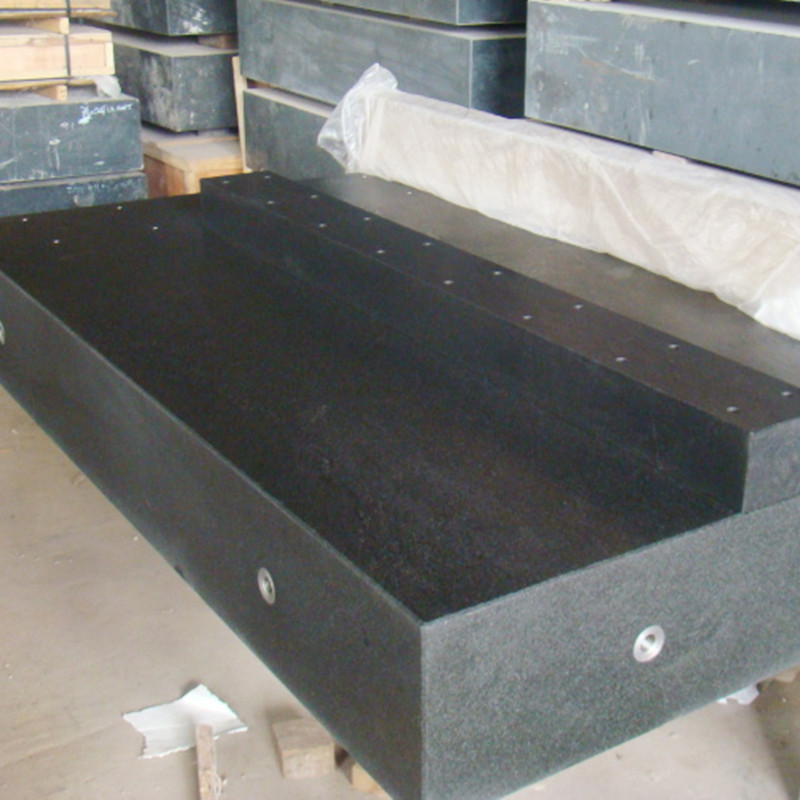
Wood Frame Truss Nail Plate Solutions _ High-Quality Structural Components
Understanding Wood Frame Truss Nail Plates Wood frame construction is a prevalent method in building
Vanne de porte d'étanchéité douce électrique
Les vannes à guillotine de 14 pouces une solution robuste pour les systèmes complexes Lorsqu'il s'a

Y Type Strainer Filters for Efficient Fluid Filtration Solutions
Understanding Y-Type Strainer Filters A Comprehensive Overview In various industrial applications, e
 English